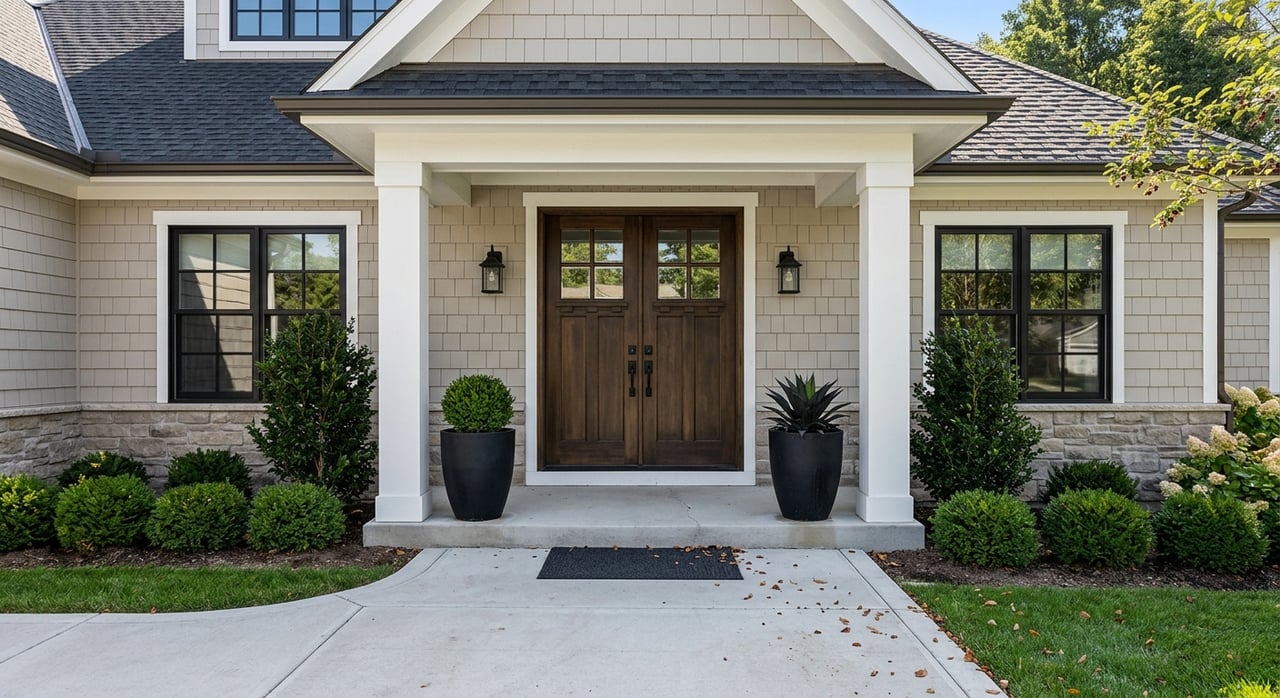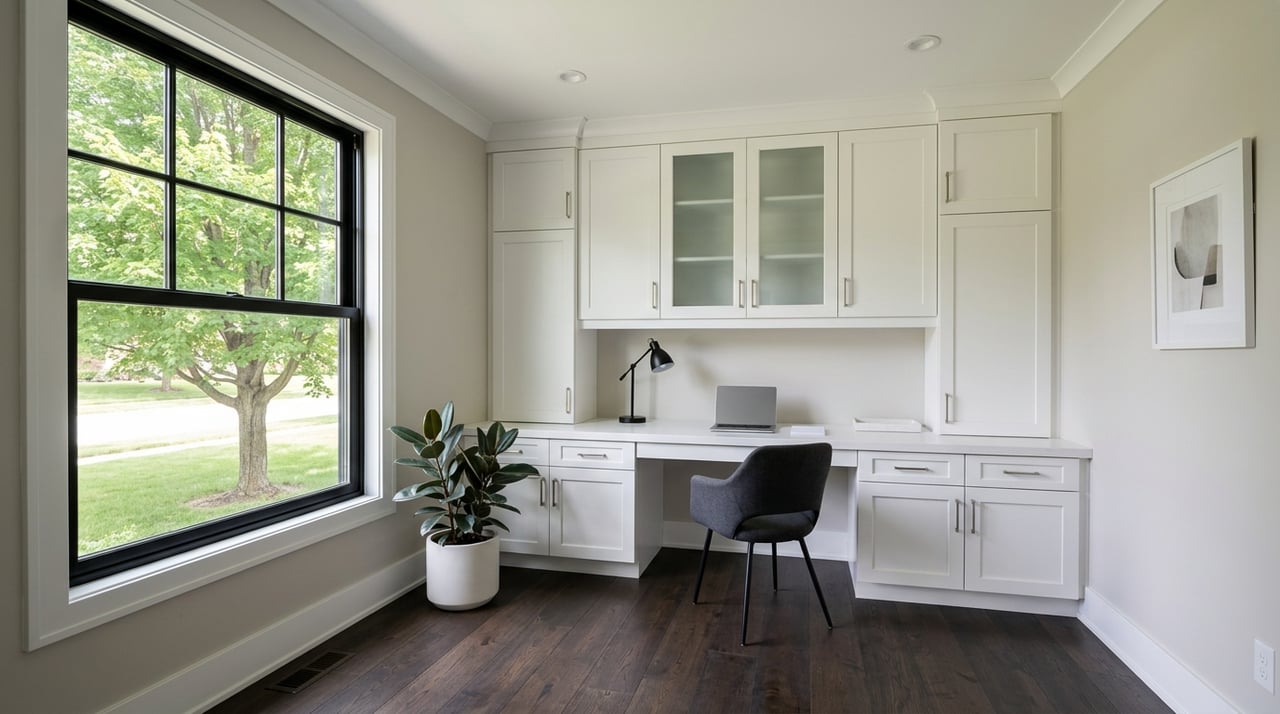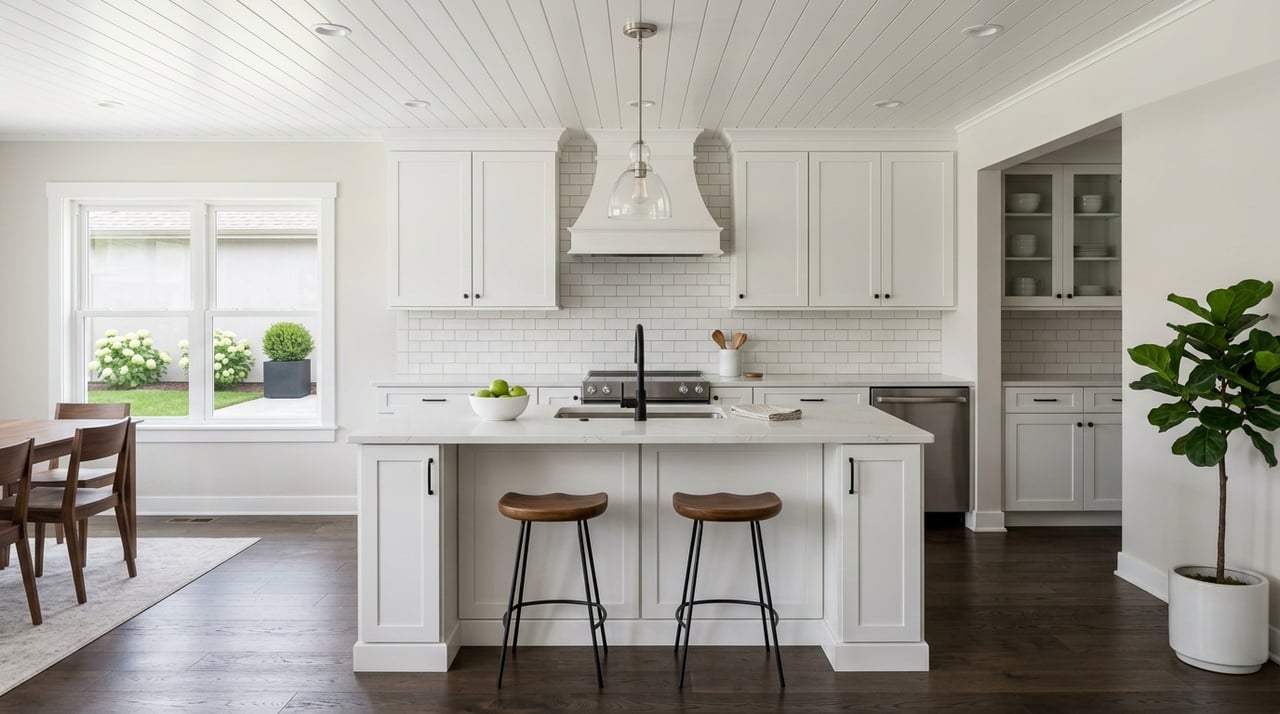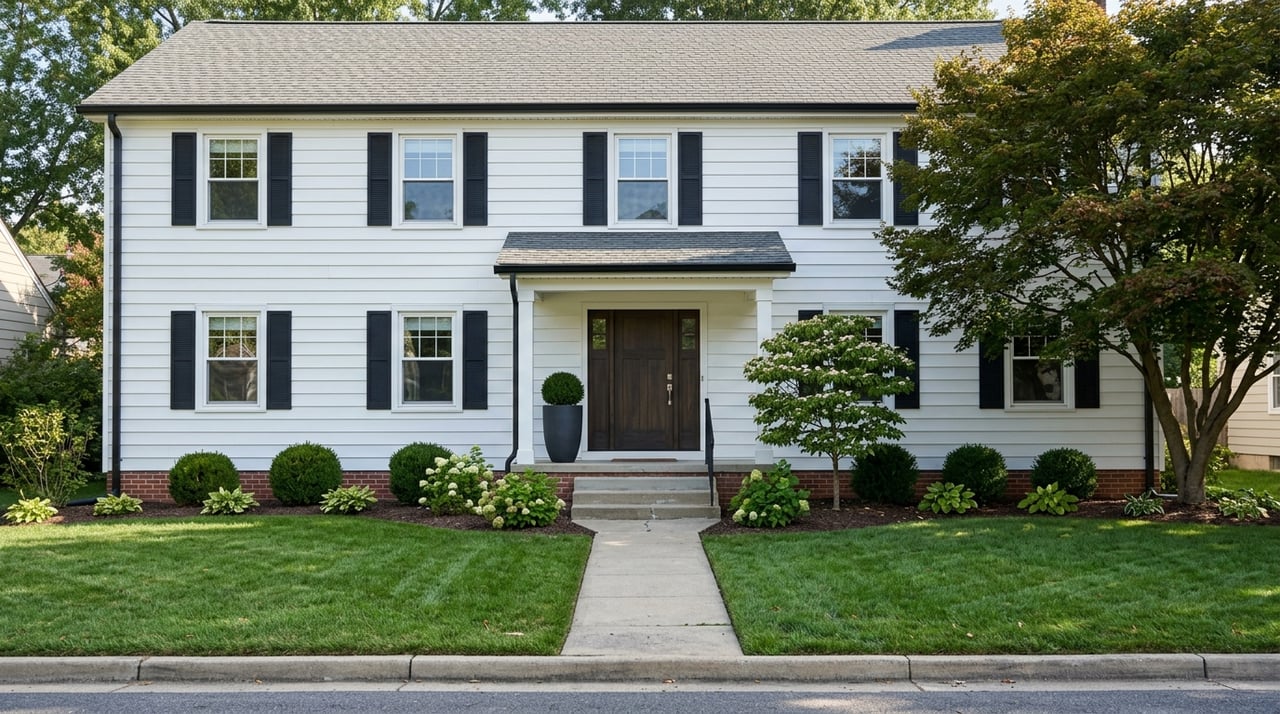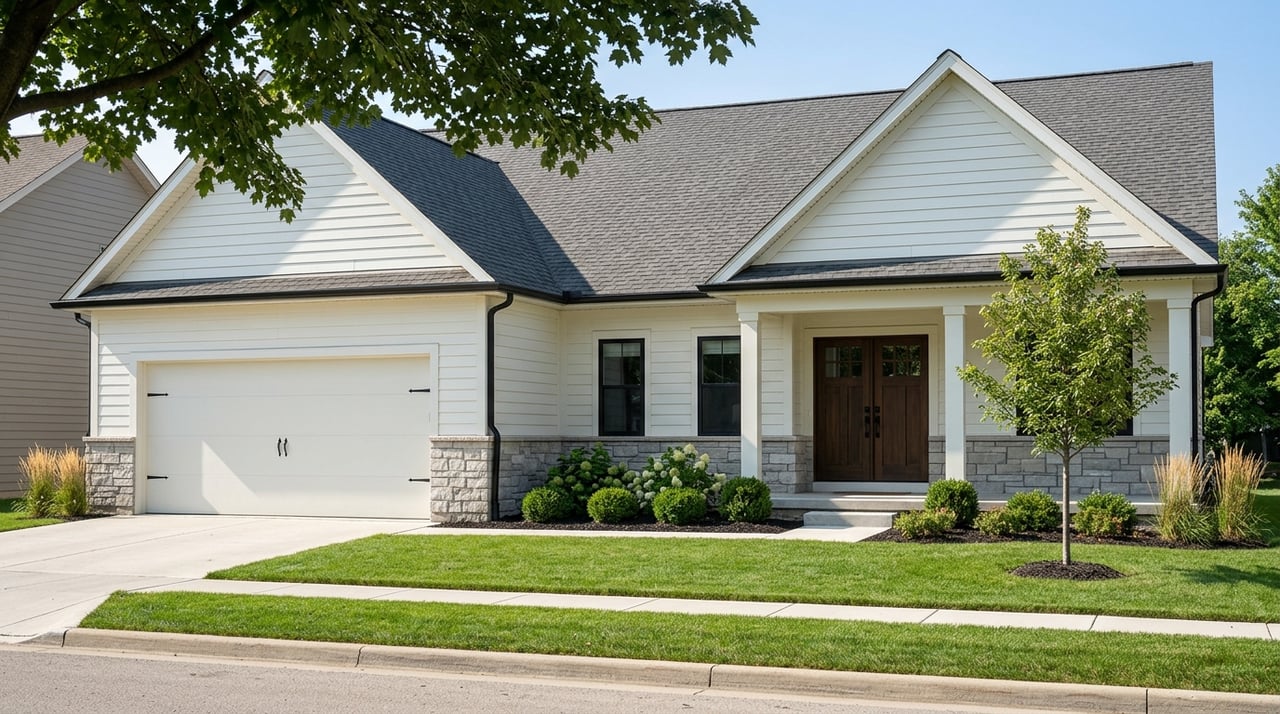
Thinking about a brand-new home in Loveland’s Clermont County? You are not alone. New construction can offer modern layouts, energy savings, and that clean-slate feeling, but it also comes with unique timelines, contracts, and costs to consider. In this guide, you will get a clear look at the pros and cons, local price examples, and a simple decision checklist to help you choose with confidence. Let’s dive in.
Why Loveland new builds appeal
Loveland sits about 15 miles northeast of Cincinnati and spans Hamilton, Clermont, and Warren counties. If you are focusing on the Clermont County side, confirm the county and school assignment for any address. The official City of Loveland site is a good starting point for local context.
Many buyers in the area pay attention to school performance when comparing locations. Loveland City Schools recently reported five stars in every category on Ohio’s school report card. If schools are part of your decision, review the district’s details directly on the Loveland City Schools site.
Price and product snapshot
New construction in and around Loveland shows a wide range of price points and home types. Rather than a single average, look at examples so you can compare by product type:
- Entry townhome and ranch-style clusters: Drees Homes’ Villages of Belmont has promoted plans starting in the mid-$300Ks. You can review example plans on the Villages of Belmont community page.
- Mainstream single-family production: Maronda Homes’ Hawley Farms has shown pricing in the mid-to-high $400Ks to $500Ks on recent listings. Availability changes, so verify current pricing directly with the builder or listing platform.
- Higher-end semi-custom: Drees Homes’ Miami Reserve lists larger-lot plans trending from roughly $880K and up. For context and plan types, see the Miami Reserve community page.
- Production community with extended structural warranty: M/I Homes’ Jackson Woods in Loveland highlights a 15-year transferable structural warranty. Explore what the builder offers on the Jackson Woods page.
These examples help you map the landscape: townhomes and smaller ranch collections at the lower end, production single-family in the middle, and larger semi-custom homes at the top. Always verify current prices, lot premiums, HOA dues, and incentive programs before you commit.
Pros of new construction in Loveland
Predictable early maintenance and warranties
New homes typically come with a structured warranty program. Many builders follow a 1-year workmanship, 2-year systems, and 10-year structural model, sometimes through providers like 2-10 Home Buyers Warranty. Review coverage and transfer rules directly with the builder and provider, such as the overview from 2-10 Home Buyers Warranty.
Some builders go further. For example, M/I Homes markets a 15-year transferable structural warranty at Jackson Woods. Always get the written warranty and claims process with your contract.
Energy efficiency and modern systems
Modern building standards can save you money on utilities. Many production builders promote features like tighter building envelopes, ENERGY STAR components, and HERS testing. Ask for third-party test results and energy spec sheets, and review the builder’s energy information, such as the M/I Homes FAQ.
Customization and up-to-date layouts
If you buy before completion, you can pick finishes and, in some cases, choose structural options. Production builders usually offer curated packages. Semi-custom and custom builders allow more changes, often with longer timelines and higher costs. A community like the Villages of Belmont illustrates how packages and plans are presented.
New amenities and fresh infrastructure
New neighborhoods may feature pocket parks, ponds, walking paths, or managed landscaping. HOAs often handle certain exterior items, which can simplify your daily routine. Ask for HOA documents to see what is covered and what you will be responsible for.
Cons and trade-offs to weigh
Price premium and product variability
New homes often cost more per square foot than similar resale homes because you are paying for brand-new systems, finishes, and builder profit. In Loveland, that premium varies by product type. Mid-$300Ks townhomes differ greatly from semi-custom homes near or above $900K. Use specific community examples rather than a single average when you set expectations.
Timeline uncertainty
Building takes time. A production or spec home may be ready within several months once started, while a full custom build can take 10 to 16 months or more. Permit timing, weather, and selections all matter. For a grounded overview of steps and timing, read this new construction guide.
Financing adds complexity
Financing a build is not the same as a standard purchase. You may consider a construction-to-permanent loan with one closing or a separate construction loan followed by a new mortgage. Each option has tradeoffs, like interest-only draws and potential rate exposure. The Consumer Financial Protection Bureau’s overview on what a construction loan is is a helpful primer. Ask the builder about incentives tied to preferred lenders and get everything in writing.
Limited base-price negotiation, but incentives vary
Base prices are often less negotiable than resale listings. That said, builders frequently offer incentives like closing cost credits, appliance packages, or temporary rate buydowns. These change quickly, so verify current promotions and eligibility rules directly with the builder.
HOAs, young landscaping, and location details
Most new communities have HOAs, which add monthly dues and rules. Landscaping and tree canopy also take time to mature, so early curb appeal may feel sparse. Some communities sit farther from established retail clusters. Read the HOA covenants, budget, and maintenance list to understand daily life and long-term costs.
Builder contracts and punch lists
Builder purchase agreements often favor the builder on scheduling, change orders, and final completion language. Review the agreement carefully and plan for third-party inspections at key stages. For context on why experienced representation helps with new builds, see this consumer-focused summary on independent representation in new construction.
A simple decision checklist
Use this quick framework to test whether a new build in Loveland’s Clermont County is a fit for you.
- Budget reality check. Compare monthly costs for new vs resale: principal and interest, taxes, HOA dues, utilities, and insurance. Use community base prices, then add typical lot premiums and upgrades. Keep a reserve for blinds, landscaping, and appliances not included.
- Timeline fit. If you need to move within 60 to 90 days, look for quick move-in or consider resale. If you can wait and want design choices, new construction may be ideal. The step-by-step new construction guide gives helpful timing context.
- Customization appetite. Decide must-haves vs nice-to-haves before your design appointment. Structural changes often carry higher premiums than finish upgrades. Ask for a price sheet and upgrade allowance in writing.
- Warranty and quality. Request the full warranty document, coverage timelines, and claims process. Compare options to the 1/2/10 structure outlined by providers like 2-10 Home Buyers Warranty. Ask for any extended structural coverage, such as the 15-year policy noted at Jackson Woods.
- Energy and operating costs. Request HERS or ENERGY STAR documentation and typical utility estimates. Review builder specs, like the M/I Homes FAQ.
- HOA due diligence. Get the HOA declaration, bylaws, current dues, reserve policy, and a sample annual budget. Confirm what landscaping, snow removal, and exterior maintenance include.
- Financing clarity. Compare construction-to-permanent vs separate construction loans, and get any builder-lender incentives in writing. The CFPB’s page on construction loans explains how draws and interest work.
- Inspection plan. Schedule independent inspections at pre-drywall and final walk. Plan time for punch-list items before closing.
- Location verification. Confirm county, tax rates, and school assignment for the exact parcel. If schools matter to you, review performance on the Loveland City Schools site.
Loveland community examples at a glance
Here is a quick way to think about local options by lifestyle and budget. Always verify current availability and pricing before touring.
- Villages of Belmont: Townhome and ranch-style formats that often start in the mid-$300Ks. Good if you want simpler maintenance and a smaller footprint. See plans on the Villages of Belmont page.
- Hawley Farms: Production single-family homes that have shown mid-to-high $400Ks to $500Ks pricing on recent listings. A fit for buyers wanting backyard space and modern layouts at a middle price point.
- Jackson Woods by M/I Homes: Production community with a noted 15-year transferable structural warranty and energy-focused specs. Explore current info on the Jackson Woods page.
- Miami Reserve: Larger-lot, higher-end plans leaning toward luxury pricing, roughly $880K and up on recent offerings. Get a feel for the product type on the Miami Reserve community page.
- ChimneyRidge: A smaller custom community that suits buyers seeking more personalization and are comfortable with longer build timelines. Learn more at ChimneyRidge Loveland.
Moving forward with a local guide
If a new build in Loveland’s Clermont County is on your list, you deserve clear answers on pricing, timelines, warranties, and HOA rules. Our team helps you compare communities, line up financing, coordinate inspections, and time your current home sale with your build so you are never rushed. When you are ready, reach out to Anthony Vanjohnson to start a focused new-construction plan that fits your life.
FAQs
What should I budget beyond the base price for a new Loveland home?
- Plan for lot premiums, structural options, design upgrades, appliances not included, landscaping, window coverings, HOA initiation, and closing costs. Ask for written estimates.
How long does a new construction build usually take in Loveland?
- Production builds can finish in several months once permitted, while custom homes often run 10 to 16 months or more. See step-by-step timing in this new construction guide.
Are builder warranties standard on new homes?
- Many follow a 1-year workmanship, 2-year systems, and 10-year structural format. Verify exact coverage and transfer rules, and compare to the outlines from 2-10 Home Buyers Warranty.
How are construction loans different from regular mortgages?
- Construction loans often fund in draws with interest-only payments during the build, then convert or refinance into a permanent mortgage. Review details in the CFPB’s overview of construction loans.
Do HOAs add a lot to monthly costs in new communities?
- It depends on services. Some cover landscaping or snow removal, which can offset time and costs. Read the HOA budget and covenants to see exactly what you are paying for.
How do I confirm school assignments for a new Loveland address?
- School boundaries can change and vary by county line. Verify the specific parcel with the district and check recent performance directly on the Loveland City Schools site.