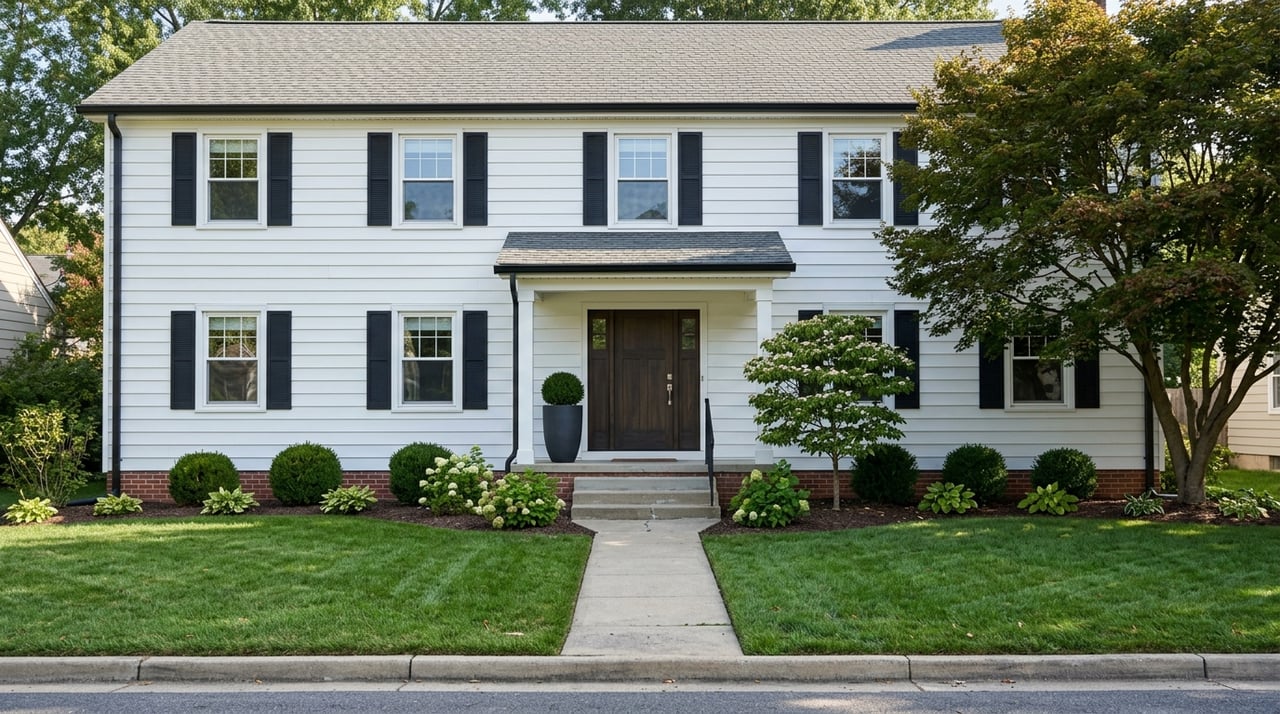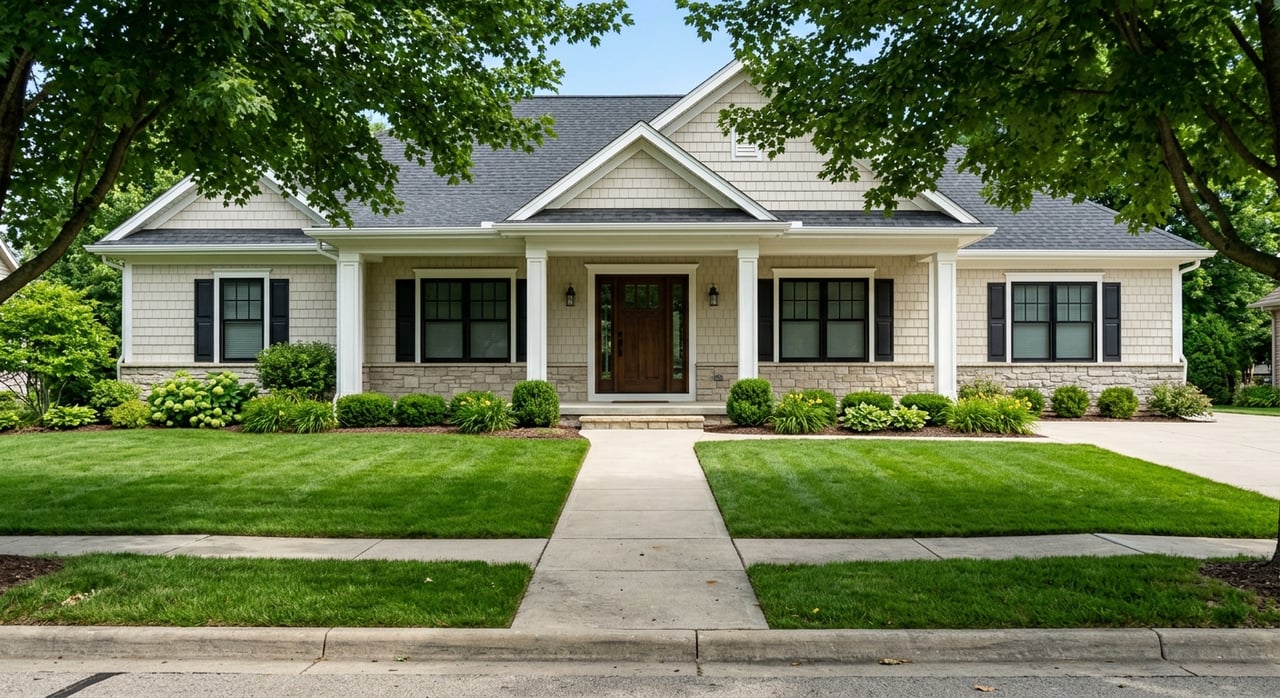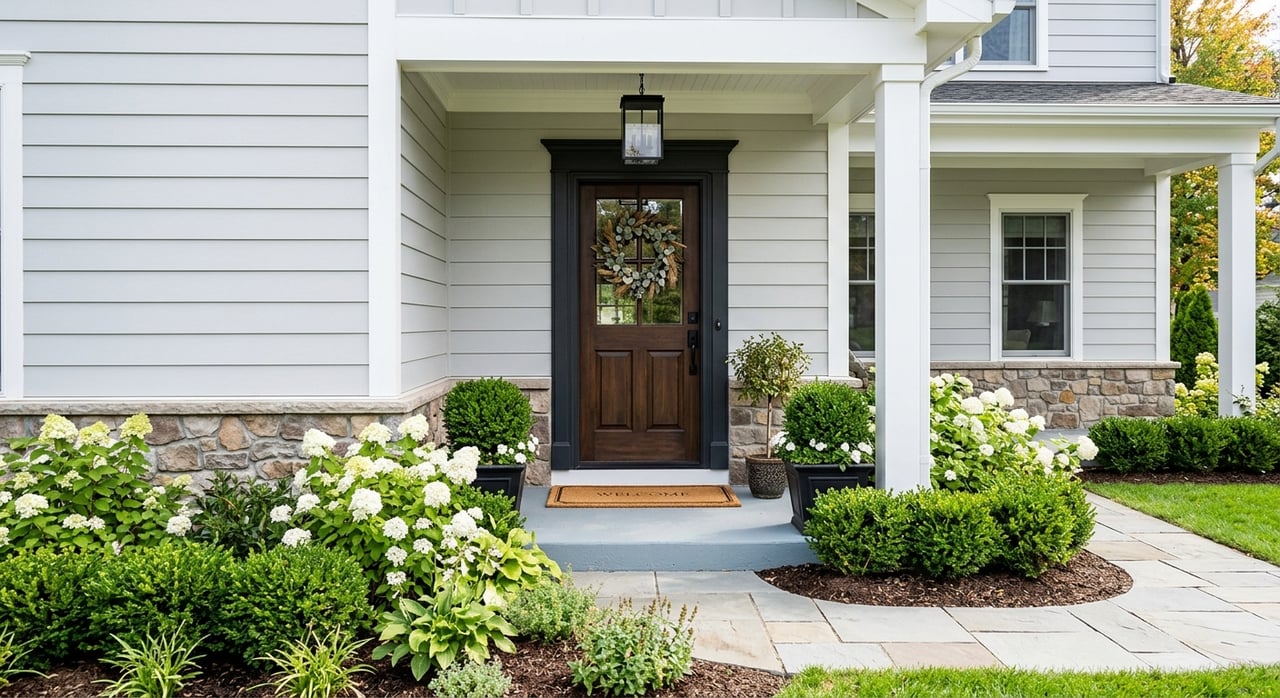
Are you looking at Loveland and wondering whether a fix-and-flip or rental property makes more sense? You are not alone. For small investors, Loveland can look promising at first glance, but the real opportunity often comes down to buying the right property type, in the right area, with the right plan for permits, carrying costs, and exit timing. This guide will help you sort through the numbers, spot practical opportunities, and avoid a few common mistakes before you invest. Let’s dive in.
Why Loveland draws investors
Loveland sits about 15 miles northeast of Cincinnati and spans Hamilton, Clermont, and Warren counties. That location gives you access to a well-known suburban market with a mix of single-family homes, attached housing, and a smaller rental segment.
At the same time, Loveland is not a one-size-fits-all investment market. The city notes that a Loveland mailing address does not always mean the property is actually inside city limits. That matters because taxes, zoning, permits, and rental rules can change based on the exact parcel.
Census data also shows Loveland is still mostly owner-occupied, with a 74.6% owner-occupied housing rate. For you as an investor, that suggests a market where resale appeal matters a lot, even if your long-term plan is to hold a property as a rental.
Understand Loveland market data first
One of the first things you will notice is that market numbers can look very different depending on the source. Zillow’s March 31, 2026 data puts the typical home value at $445,808, with 111 homes for sale and 13 days to pending. Redfin’s March 2026 closed-sale snapshot shows a median sale price of $255,900, about two offers on average, and 62 days on market.
These numbers are not necessarily in conflict. They measure different parts of the market and use different methods. The practical lesson is simple: you should not underwrite a flip or rental based on just one headline metric.
Best property types for Loveland investors
Single-family homes for flips
Single-family homes are the clearest fit for many Loveland fix-and-flip strategies. Active listings include examples around $310,000, $365,000, and $375,000, while more updated or larger homes reach roughly $575,000 to $650,000.
The stronger play may be to focus on lower-priced pockets where you can improve condition and resell into owner-occupant demand. Zillow neighborhood figures show lower-price areas such as Mid Heights at about $242,398, Historic West Loveland at about $299,812, and Henry Hannah’s Farm at about $310,671. Those areas may offer more room to create value than premium locations where your margin gets tighter.
Condos for lower-ticket rentals
If you want a lower-maintenance rental, condos may be worth a closer look. Redfin reports 13 condos for sale in Loveland at a median listing price of $202,000, and current examples range from about $179,900 to $339,900.
Rental examples for this category include apartment listings around $1,125 to $1,546, with a 3-bedroom condo rental example at $2,250. That spread tells you asset type, size, and finish level matter more than just the city name. Before you buy, make sure HOA dues fit comfortably into your monthly math.
Townhomes for a middle-ground strategy
Townhomes often sit between condos and detached homes in both price and maintenance. Current examples range from about $214,900 for an older unit to roughly $417,500 to $429,900 for newer product.
For investors, this can be a practical rental category if you want attached housing without jumping into a larger single-family budget. A current 3-bedroom townhome rental example at $1,895 per month gives a useful benchmark, but your numbers still need to account for dues, insurance, upkeep, and vacancy.
Small multifamily for selective buyers
Multifamily inventory in and around Loveland is thin. Redfin’s Clermont County multifamily page showed zero active multifamily homes at a median listing price of $237,000, while Loveland-specific results included a 5-unit at $525,000 and a 6-unit at $800,000 downtown.
That tells you small multifamily opportunities exist, but they are not common. When they do come up, they may be either value-add properties or premium downtown assets that need very careful underwriting.
Rental opportunities in Loveland
Citywide rent estimates cluster in the mid-$1,600s to mid-$1,700s. Redfin shows average rent at $1,638, while Zillow shows average rent at $1,751 as of March 31, 2026.
That range can support a rental strategy, but only if you stay disciplined on acquisition and holding costs. Lower-priced condos and townhomes may offer a more approachable entry point, while single-family rentals can command higher rents but often come with higher purchase prices and more maintenance exposure.
When you are comparing opportunities, focus on these basics:
- Purchase price
- Rehab budget
- HOA dues, if any
- Insurance costs
- Property taxes
- Vacancy assumptions
- Registration and inspection requirements
Loveland can make sense for small investors, but the margin for error gets smaller fast if you underestimate repairs or ongoing expenses.
Fix-and-flip potential in Loveland
For flips, Loveland appears strongest when you buy selectively and keep your resale target grounded in neighborhood-level data. The city includes areas with much different value bands, from roughly $242,000 in Mid Heights to about $559,000 in Brandywine. Downtown Loveland is even more premium, with a median sale price of $675,000 in October 2025.
That price spread creates opportunity, but it also raises the risk of over-improving a property. Your finishes, layout changes, and budget should match what buyers are already paying in that specific part of Loveland.
Market speed also looks mixed. Zillow shows homes pending in about 13 days, while Redfin’s closed-sale data shows 62 median days on market and a 97.4% sale-to-list ratio. For you, that means a flip still needs sharp pricing, solid presentation, and enough timeline cushion for a slower resale than the hottest headlines might suggest.
Risks to underwrite carefully
Parcel and jurisdiction checks
This is one of the biggest practical issues in Loveland. Because the city spans three counties and the mailing area is larger than the actual city boundaries, you should confirm the exact jurisdiction before you make final assumptions.
That affects zoning, permit oversight, taxes, and city-specific rental rules. A property with a Loveland address may not be governed the way you expect.
Permits and code compliance
Loveland’s Building Department says permits are required for construction work and reviews projects for compliance with city, state, and county codes. Residential work follows the Residential Code of Ohio, and commercial projects follow the Ohio Building Code.
If your flip includes structural work, mechanical updates, additions, or major rehab items, you should factor permit timing and compliance costs into your schedule. This is especially important if you are trying to hit a narrow resale window.
Flood exposure downtown
Flood risk is a major underwriting issue for some Loveland properties. Downtown Loveland has a very high flood profile, with 76% of properties at risk of severe flooding over the next 30 years according to Redfin and First Street.
If you are considering a downtown flip or rental near the river, check flood maps, elevation details, and insurance quotes early. Flood exposure can change both your rehab scope and your ongoing holding costs.
Taxes and cash flow
Loveland has a 1% earnings tax. The city says non-residents who conduct business, own rental property, or earn wages in Loveland for which tax was not withheld must file through RITA.
That may not stop a deal from working, but it should be part of your cash flow planning. Small line items matter when you are underwriting tighter-margin investments.
Rental rules to know before you buy
Loveland has local rules that matter if you plan to hold property as a rental. Long-term rental owners must register rental dwellings annually and will receive a Loveland/Symmes Fire Department inspection.
Short-term rentals follow a different path. The city says they are not subject to that same occupancy inspection program, but they still require conditional-use approval, a zoning permit, an annual inspection and certificate of inspection, parking compliance, and an emergency contact available within one hour.
If your strategy depends on short-term rental income, confirm that the parcel and use fit the city’s requirements before you move forward. For long-term rentals, Ohio landlord-tenant law in Chapter 5321 sets the statewide baseline, and Loveland’s local registration and inspection rules sit on top of that.
A practical Loveland investment approach
If you want the simplest takeaway, Loveland looks strongest for three types of small-scale investors:
- Selective single-family flips in lower-priced pockets where resale demand can support well-planned updates
- Condos and townhomes for lower-ticket rental strategies with controlled maintenance
- Carefully underwritten small multifamily only when the numbers still work after accounting for location-specific risk and limited inventory
In other words, this is a market that rewards precision more than speed. You will likely do better by passing on marginal deals and waiting for the right fit.
How to evaluate a Loveland deal
Before you move on a property, use a checklist like this:
- Confirm whether the parcel is inside Loveland city limits.
- Verify zoning and allowed use for your strategy.
- Review permit needs for your rehab scope.
- Price out taxes, insurance, and any HOA dues.
- Check whether flood exposure affects cost or feasibility.
- Compare your exit or rent target against the right property type and neighborhood band.
- Factor in local rental registration or short-term rental requirements.
This kind of upfront work can help you avoid expensive surprises later. It also gives you a clearer view of whether a deal is truly an opportunity or just looks like one on paper.
If you are thinking about buying an investment property in Loveland, local guidance can save you time and help you avoid avoidable mistakes. The team at Anthony Vanjohnson brings a service-first approach, strong local market knowledge, and practical support for investors navigating opportunities across Greater Cincinnati.
FAQs
What types of investment properties make sense in Loveland, Ohio?
- Single-family homes for selective flips, condos and townhomes for lower-maintenance rentals, and occasional small multifamily properties can all make sense in Loveland depending on price, condition, and location.
What should you check before buying a Loveland investment property?
- You should confirm the parcel’s jurisdiction, verify zoning, review permit requirements, estimate taxes and insurance, and check for flood risk before finalizing your numbers.
Are rental properties allowed in Loveland, Ohio?
- Yes, but long-term rental owners must annually register rental dwellings and complete required inspections, while short-term rentals have separate approval, inspection, parking, and contact requirements.
Is downtown Loveland a good place for a fix-and-flip or rental?
- It can be, but downtown pricing is more premium and flood risk is unusually important, so you should underwrite insurance, elevation, and rehab scope very carefully.
How much rent can an investor expect in Loveland, Ohio?
- Citywide rent estimates reported in March 2026 cluster around the mid-$1,600s to mid-$1,700s, though actual rent will vary a lot by property type, size, condition, and location.
Why do Loveland housing numbers look different across websites?
- Different companies measure the market in different ways, so one source may report a typical home value while another reports closed-sale prices or active listing trends.