Trying to choose between an older home and a newer one in Loveland? You are not alone. Many buyers love the charm and location of older homes, but they also want a layout and upkeep level that fits real life. The good news is that Loveland offers both, and each option can be a smart move depending on what matters most to you. Let’s break down how to decide.
Why this choice matters in Loveland
Loveland has a mix of historic areas, established neighborhoods, and newer residential development. That makes it one of those markets where the age of the home can shape your day-to-day experience just as much as price or square footage.
It is also a market where ownership is common. According to U.S. Census QuickFacts, 74.8% of housing units in Loveland are owner-occupied, and the median owner-occupied home value is $305,200. In a market like that, long-term livability, maintenance, and layout deserve a close look.
What older homes in Loveland offer
Older homes in Loveland are often tied to Historic Downtown and other long-established parts of the city. Loveland’s official history points to the downtown river corridor and early railroad growth as major parts of the city’s development, and the Historic Downtown District reflects that earlier chapter of Loveland’s story.
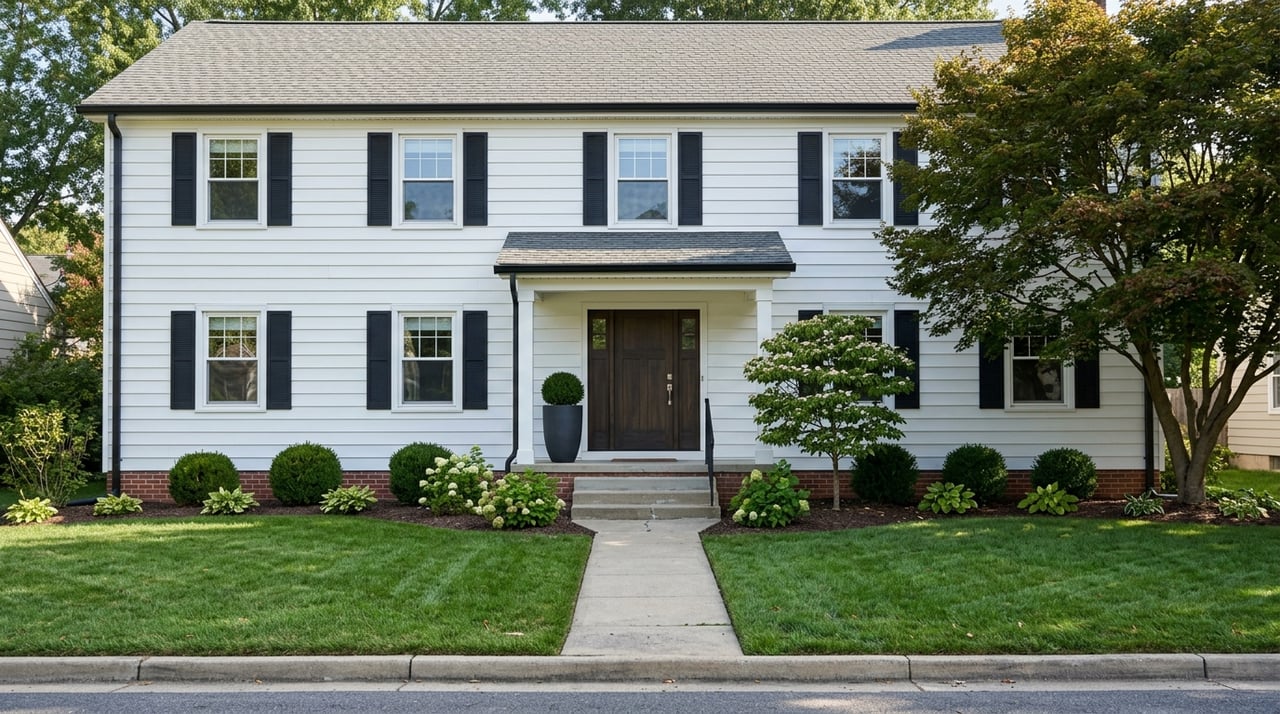
For buyers, that often translates into homes with character, mature surroundings, and a more traditional feel. Some older in-town homes also have smaller, more compact floor plans and lot layouts than what you may see in newer construction.
Older homes often bring character and location
If you enjoy the look and feel of a home with history, an older property may be the better fit. In Loveland, that can mean being closer to Historic Downtown and established streets that grew during earlier phases of the city’s development.
For some buyers, that setting is a major advantage. You may value a more established area, a unique home design, or proximity to the downtown core more than having the newest finishes.
Older homes usually need a repair budget
Charm is real, but so is maintenance. Census data on older homes found that owners of older homes spent a median of $1,800 per year on upkeep, while new owners of older homes spent a median of $3,900 annually.
Those costs can show up in very normal projects, including plumbing fixtures, flooring or drywall, water heaters, windows and doors, roofs, porches or decks, fencing, and driveways or walkways. That does not mean an older home is a bad buy. It means you should plan for ownership costs beyond the purchase price.
Historic district rules can affect your plans
If a home is in Loveland’s designated historic district, your renovation plans may come with extra steps. The city’s Historic Preservation and Planning Commission reviews demolition, construction, preservation, restoration, and rehabilitation work in that district.
That matters if you hope to make major exterior changes or expand the home later. Loveland also states that residential projects must follow the Residential Code of Ohio, and property maintenance is governed by the International Property Maintenance Code.
What newer homes in Loveland offer
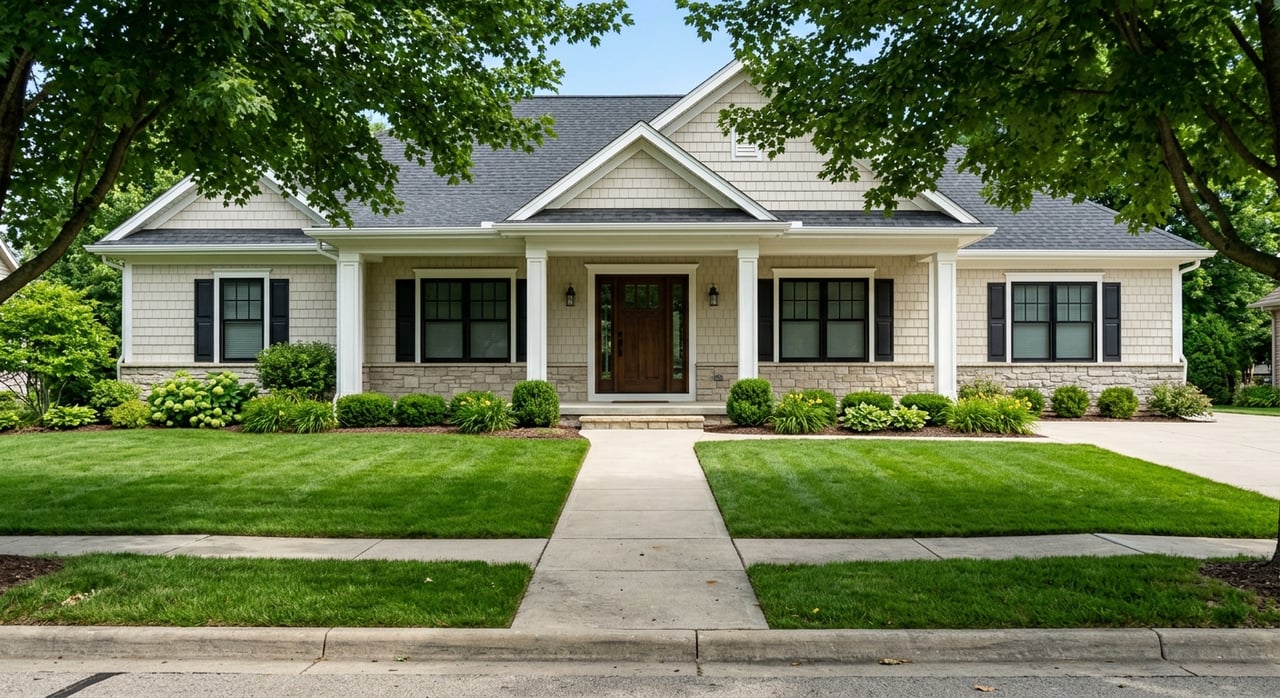
Loveland is not just about older housing stock. The city still has active residential development, including new single-family homes, attached homes, and future townhome development tied to continued growth.
That gives buyers a real choice. You can find newer homes in different settings, from more compact lots to wooded custom communities with larger homesites.
Newer homes tend to fit modern living
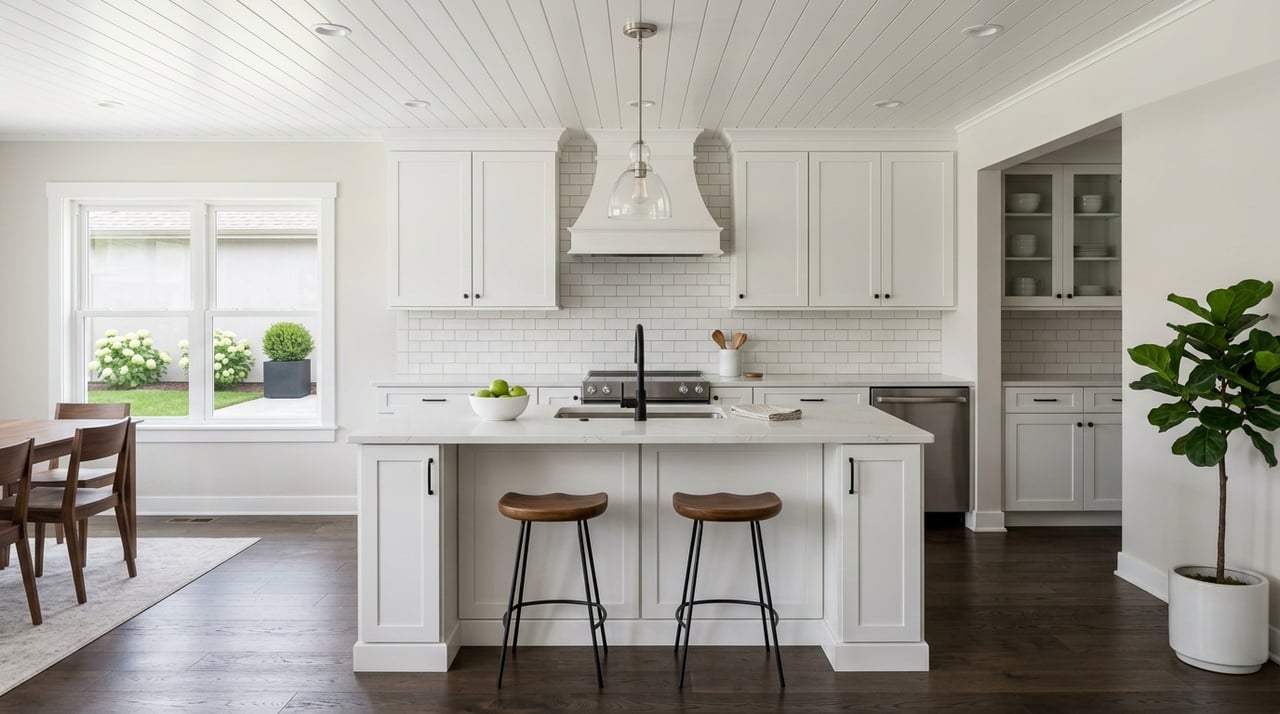
A newer home often appeals to buyers who want a layout that feels ready for today. Recent Loveland new-construction examples have featured open-concept living areas, first-floor primary suites, studies or flex rooms, main-level laundry, and attached garages.
If you want fewer walls, more casual gathering space, and room that adapts to work or hobbies, newer construction may check more boxes. For many buyers, that functional layout is one of the biggest reasons to choose newer over older.
Newer homes may mean fewer near-term projects
One of the clearest benefits of a newer home is the possibility of lower maintenance right after move-in. While every property is different, newer systems, materials, and finishes often reduce the chance that you will be replacing major items right away.
That can make budgeting easier in your first few years of ownership. If you would rather focus on settling in than planning repairs, newer construction may feel more manageable.
New construction in Loveland varies more than you may expect
Not every newer home in Loveland sits on a large suburban lot. Current examples show that new construction can range from smaller in-town sites to larger custom-home settings.
That flexibility is helpful if you like the idea of a newer home but do not want a one-size-fits-all neighborhood. In Loveland, newer inventory can include downtown infill, attached housing, and custom or semi-custom communities.
Energy efficiency is a real difference
For many buyers, monthly operating costs matter almost as much as the mortgage payment. This is one area where newer homes often have an edge.
The U.S. Department of Energy says state and local codes usually set minimum insulation standards for new homes, and energy-efficient new homes often go beyond those minimums. DOE also notes that virtually all new efficient buildings use double- or triple-glazed windows, while single glazing is still common in older buildings.
Older homes can improve with upgrades
That said, an older home is not locked into poor efficiency forever. DOE guidance notes that older homes often were not built with modern insulation levels, but improvements such as better windows, door upgrades, insulation, and air sealing can reduce energy loss.
For older and historic homes, the upgrade strategy matters. EPA guidance recommends a whole-house approach so efficiency work does not create moisture or durability issues.
Resale depends on condition and fit
Many buyers ask whether older or newer homes hold value better. In Loveland, the better question is often this: how well does the home match what buyers want in that specific area, and how well has it been maintained?
Recent market data for ZIP code 45140 showed homes selling for about asking on average in February 2026, with a median listing price around $401,000 and median days on market of 43. While that does not prove one age category always wins, it does suggest that condition, presentation, and pricing matter a lot.
A well-maintained home usually tells the best story
In practical terms, buyers respond to homes that feel cared for and appropriately priced. That can be true for a historic home near downtown, a resale in an established subdivision, or a newer custom build.
If you are thinking ahead to resale, focus less on age alone and more on how the home fits its micro-location. In Loveland, that local fit can matter as much as the year the home was built.
How to decide between older and newer
The best choice usually comes down to your lifestyle, your budget, and your comfort level with future projects. Neither option is automatically better. The right answer is the one that supports how you want to live.
Here is a simple way to think about it.
Choose an older home if you value:
- Character and architectural personality
- A location near Historic Downtown or other established areas
- A more traditional layout
- The possibility of a unique lot or one-of-a-kind home
- The willingness to budget for repairs and ongoing updates
Choose a newer home if you value:
- Open-concept living and modern floor plans
- Stronger baseline energy performance
- Fewer immediate maintenance projects
- Features like main-level laundry, attached garages, or flex rooms
- A move-in-ready feel with less renovation planning
Questions to ask before you make an offer
Before you choose either type of home, it helps to get honest about your priorities. A beautiful older home can become stressful if you do not have room in your budget for upkeep. A newer home can feel less exciting if what you really wanted was character and a more established setting.
Ask yourself:
- Do you want charm or convenience more?
- How much ongoing maintenance feels comfortable to you?
- Would you rather update over time or avoid projects for now?
- Does the location matter more than the floor plan?
- If the home is in the historic district, are you comfortable with local review rules for major exterior changes?
The Loveland bottom line
In Loveland, older homes often appeal to buyers who want character, history, and a setting connected to the city’s earlier growth. Newer homes often appeal to buyers who want modern layouts, stronger efficiency, and fewer near-term repair concerns.
Both can be smart choices. What matters most is choosing a home that fits your budget, your daily routine, and your long-term plans with confidence.
If you want help comparing older and newer homes in Loveland, reach out to Anthony Vanjohnson. You will get patient, local guidance so you can make a move that feels right for you.
FAQs
Should you buy an older or newer home in Loveland?
- You should choose based on your priorities. Older Loveland homes often offer character and established locations, while newer homes often offer modern layouts, stronger energy performance, and fewer immediate maintenance needs.
What should you budget for with an older Loveland home?
- Census data show that owners of older homes spent a median of $1,800 per year on upkeep, and new owners of older homes spent a median of $3,900 annually. Common costs include windows, doors, roofs, plumbing fixtures, flooring, and outdoor improvements.
Do historic district homes in Loveland have renovation rules?
- Yes. If the home is in Loveland’s designated historic district, certain demolition, construction, preservation, restoration, and rehabilitation work may be reviewed by the city’s Historic Preservation and Planning Commission.
Are newer homes in Loveland always on large lots?
- No. Newer homes in Loveland can range from smaller in-town or infill lots to larger custom-home sites, so lot size depends on the specific location and community.
Are newer Loveland homes more energy efficient?
- Often, yes. New homes generally benefit from current insulation requirements and more efficient windows, while older homes may need upgrades like insulation, air sealing, and better windows to improve efficiency.