If you are thinking about buying a rental property in Loveland, you are probably asking a smart question first: is this a cash-flow play, a long-term hold, or both? In a smaller suburb like Loveland, the answer is usually less about chasing flashy returns and more about finding stable demand, realistic rent levels, and a property that fits the local market. This guide will walk you through what local data says about Loveland rental property, what types of rentals may fit best, and what to watch before you buy. Let’s dive in.
Loveland Market Snapshot
Loveland is a small suburban city about 15 miles northeast of Cincinnati, spanning Hamilton, Clermont, and Warren counties. According to the City of Loveland community profile, the city has about 13,131 residents and 5,094 households, with an average household size of 2.58 people.
That profile matters because Loveland is mostly owner-occupied, with owner occupancy in the low-to-mid 70% range and renter occupancy in the mid-to-high 20% range. In practical terms, you are looking at a residential market with a smaller rental pool, not a renter-heavy urban environment.
Loveland also shows signs of commuter appeal. The city reports a mean commute time of 24.4 minutes, and local housing values are relatively strong for the region, with figures from public sources placing owner-occupied home values in the upper-$200,000s to low-$300,000s depending on the dataset. You can see more in the city’s demographics overview.
What Rents Look Like Now
One of the clearest signals for investors is current asking rent. Recent rental trackers place Loveland’s average advertised rent in the mid-$1,700s.
According to Zillow’s Loveland rental market trends, average advertised rent was $1,789 as of April 2, 2026, with 31 available rentals. RentCafe reported $1,745 as of March 25, 2026. Since those platforms use different methods, it is more useful to think in terms of a rent range than one exact figure.
It also helps to break rent down by size. Zillow shows one-bedroom rentals around $1,416, two-bedroom rentals around $1,505, and three-bedroom rentals around $1,978. RentCafe reports one-bedroom units around $1,560, two-bedroom units around $1,782, and three-bedroom units around $2,241.
The key takeaway is simple: larger rentals command meaningfully higher rents. If you are evaluating a single-family home, townhome, or a larger condo, that spread may support a stronger rental strategy than a very small unit, depending on your purchase price and expenses.
Asking Rents Versus Census Rents
When you research rental property, you may notice that some rent figures do not match. That does not necessarily mean the data is wrong.
The U.S. Census QuickFacts page for Loveland lists a median gross rent of $1,246 for the 2020 to 2024 ACS period, which is lower than today’s live asking-rent trackers. That is because census rent data reflects a broader and more delayed measure of occupied units, while listing platforms show current advertised pricing. You can review that benchmark on the Census QuickFacts page for Loveland.
For an investor, the practical lesson is to underwrite carefully. Current listings may tell you what the market is asking today, while census data helps you understand the longer-term base level of rents in the area.
Demand Drivers In Loveland
Loveland’s demand story is tied to both local conditions and broader county growth. Clermont County reports that its population has grown by nearly 32,000 residents since 2000 and is projected to continue growing by at least 1% per year over the next 20 years, according to the county’s inaugural housing study summary.
That same study notes that household sizes are getting smaller even as newly built homes are getting larger. In many markets, that can increase demand for smaller or more efficient housing options, including rentals that offer manageable space, lower upkeep, and practical layouts.
Loveland also benefits from its place within the Cincinnati metro. The BLS Cincinnati area summary reported 1.1621 million nonfarm jobs in December 2025 and a metro unemployment rate of 3.6%. That is not a boom-market signal, but it does support the case for steady underlying housing demand tied to the region’s labor base.
Best-Fit Rental Property Types
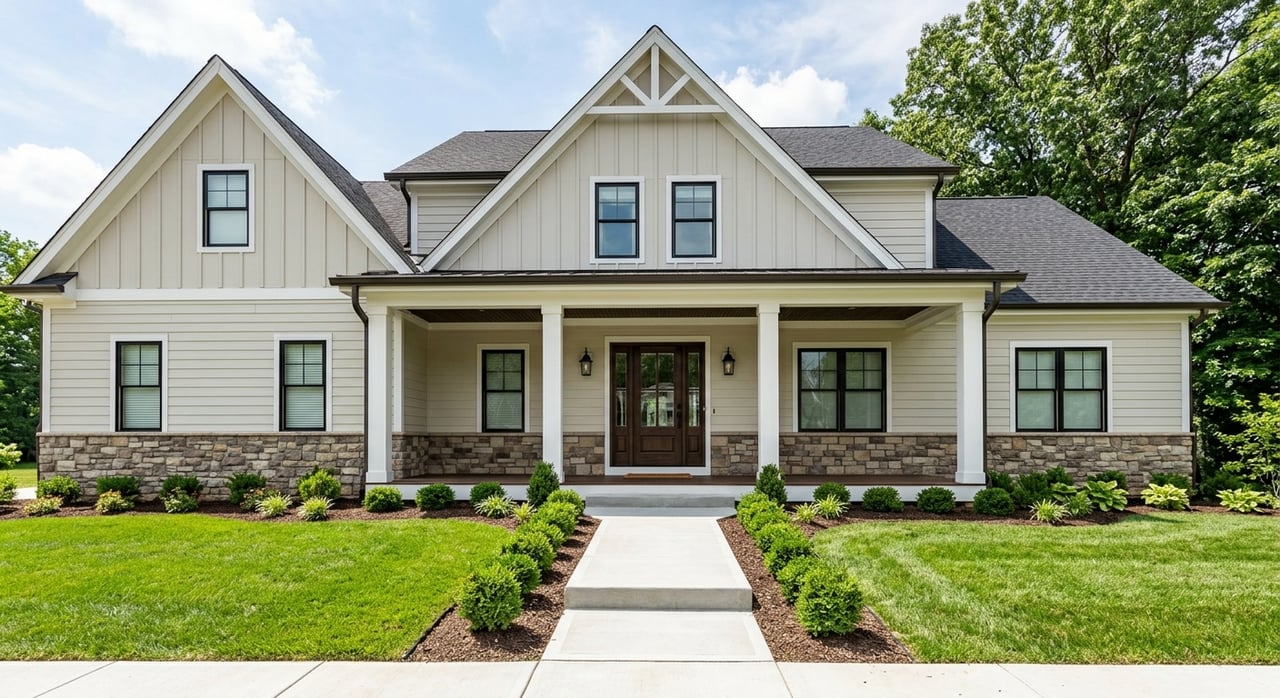
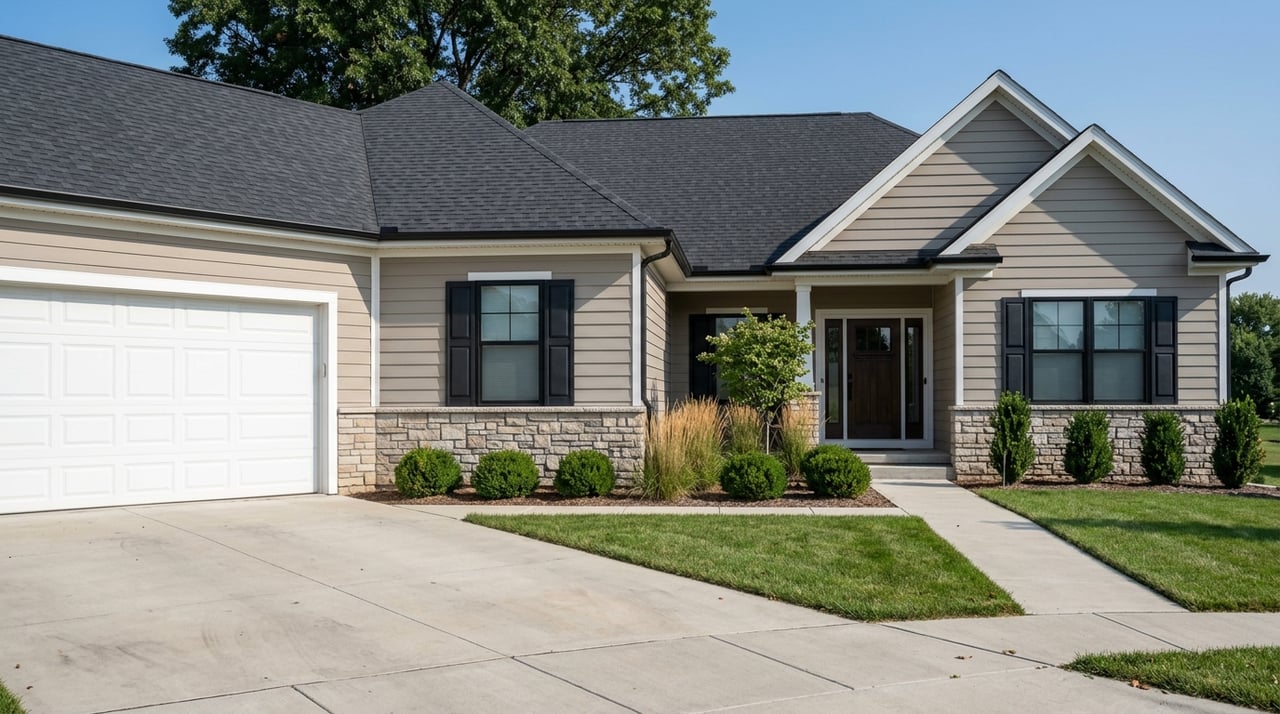
Loveland does not look like a market built around massive apartment inventory or high-turnover rentals. Based on the city’s owner-occupied profile and planning direction, the most natural fit appears to be well-maintained, smaller-scale rental properties.
The city’s 2022 Comprehensive Master Plan points toward more varied housing options and better use of vacant land. At the county level, the housing study recommends diversifying housing stock and preserving aging homes.
For investors, that likely supports a strategy focused on property types such as:
- Detached single-family homes
- Townhomes
- Condos
- Modest-footprint rentals with functional layouts
This is not a ranked return forecast, but it is a reasonable fit based on the local housing profile and planning documents. In a mostly owner-occupied suburb, a clean, updated rental that fits everyday household needs may have broader appeal than an overly specialized property.
Why Three-Bedroom Rentals Stand Out
The current rent spread suggests that larger homes can still perform well in Loveland if they are priced correctly and presented well. Two-bedroom units generally fall in the mid-$1,500s to upper-$1,700s, while three-bedroom rentals land roughly around $2,000 to $2,240 based on the current trackers.
That can matter if you are thinking about holding a former primary residence as a rental. It may also matter if you are comparing a smaller condo against a single-family home with more usable space.
In other words, Loveland may appeal not just to first-time investors, but also to owners looking at a practical long-term hold. If the numbers work, a move-out conversion could be worth exploring.
Vacancy And Supply Risk
Vacancy is one of the biggest concerns in any suburb with a relatively small rental inventory. The local picture suggests a market that may be tighter than it looks at first glance.
A Clermont County housing study found that Loveland City had the highest housing vacancy rate in the West Submarket at 5.7% in 2023. At the same time, the same study said rental vacancy across the county remains critically low. You can review that in the Clermont County housing study.
The practical read is that some housing churn exists, but the long-term rental supply still appears constrained. For investors, that tends to support a careful buy-and-hold approach over a speculative one.
Local Rules And Costs To Know
Before you buy, make sure your numbers include compliance and operating costs. Loveland requires annual rental occupancy registration and inspection for rental dwellings, according to the city’s rental occupancy registration information.
The city also levies a 1% earnings tax, and non-residents who own rental property in Loveland are required to file a return. Those are not details to sort out after closing. They should be part of your pro forma from day one.
This is especially important in a steady suburban market where margins may depend on disciplined ownership. Good condition, realistic rent expectations, and compliance can matter as much as your purchase price.
What Loveland May Reward Most
Based on the available data, Loveland appears to be a conservative suburban rental market. It is small, commuter-oriented, mostly owner-occupied, and supported by the broader Cincinnati economy.
That combination may favor strategies like:
- Patient buy-and-hold investing
- House-hacking setups when allowed and practical
- Keeping a former residence as a long-term rental
- Buying well-located homes that need manageable updates
It likely does not look like a market built for aggressive yield chasing or highly speculative rent assumptions. In Loveland, the better play may be consistency, condition, and long-term planning.
How To Evaluate A Loveland Rental
If you are seriously considering an investment property here, focus your analysis on the basics that matter most in a smaller suburban market.
Start with:
- Purchase price relative to realistic asking rents
- Property type and bedroom count
- Condition and expected maintenance needs
- Annual registration and inspection requirements
- Tax filing obligations and ongoing operating costs
- Whether the home fits long-term rental demand in the area
A clear, conservative underwriting approach can help you avoid overestimating rent or underestimating costs. In a market like Loveland, disciplined buying usually beats optimistic guessing.
If you want help weighing a Loveland rental opportunity, Anthony Vanjohnson can help you look at the numbers, the local market context, and how a property fits your goals with the patient, responsive guidance you deserve.
FAQs
What is the average rent for rental property in Loveland, Ohio?
- Recent rental trackers place Loveland’s average advertised rent in the mid-$1,700s, with Zillow reporting $1,789 and RentCafe reporting $1,745 in spring 2026.
Is Loveland, Ohio a renter-heavy market for real estate investors?
- No. Loveland is mostly owner-occupied, with renter occupancy in the mid-to-high 20% range, which points to a smaller and more residential rental market.
What rental property types may fit best in Loveland?
- Based on local housing patterns and planning documents, detached single-family homes, townhomes, condos, and other smaller-scale, well-maintained rentals appear to be the most natural fit.
Are three-bedroom rentals in Loveland worth considering?
- They may be, because current market trackers show a meaningful rent premium for three-bedroom rentals compared with one- and two-bedroom units.
What should investors know about Loveland rental rules?
- Loveland requires annual rental occupancy registration and inspection for rental dwellings, and non-resident owners of rental property in the city must also file for the local 1% earnings tax.
Is Loveland better for short-term investing or long-term hold strategy?
- Based on the local data, Loveland appears better suited to patient buy-and-hold investing than aggressive, high-volatility strategies.